
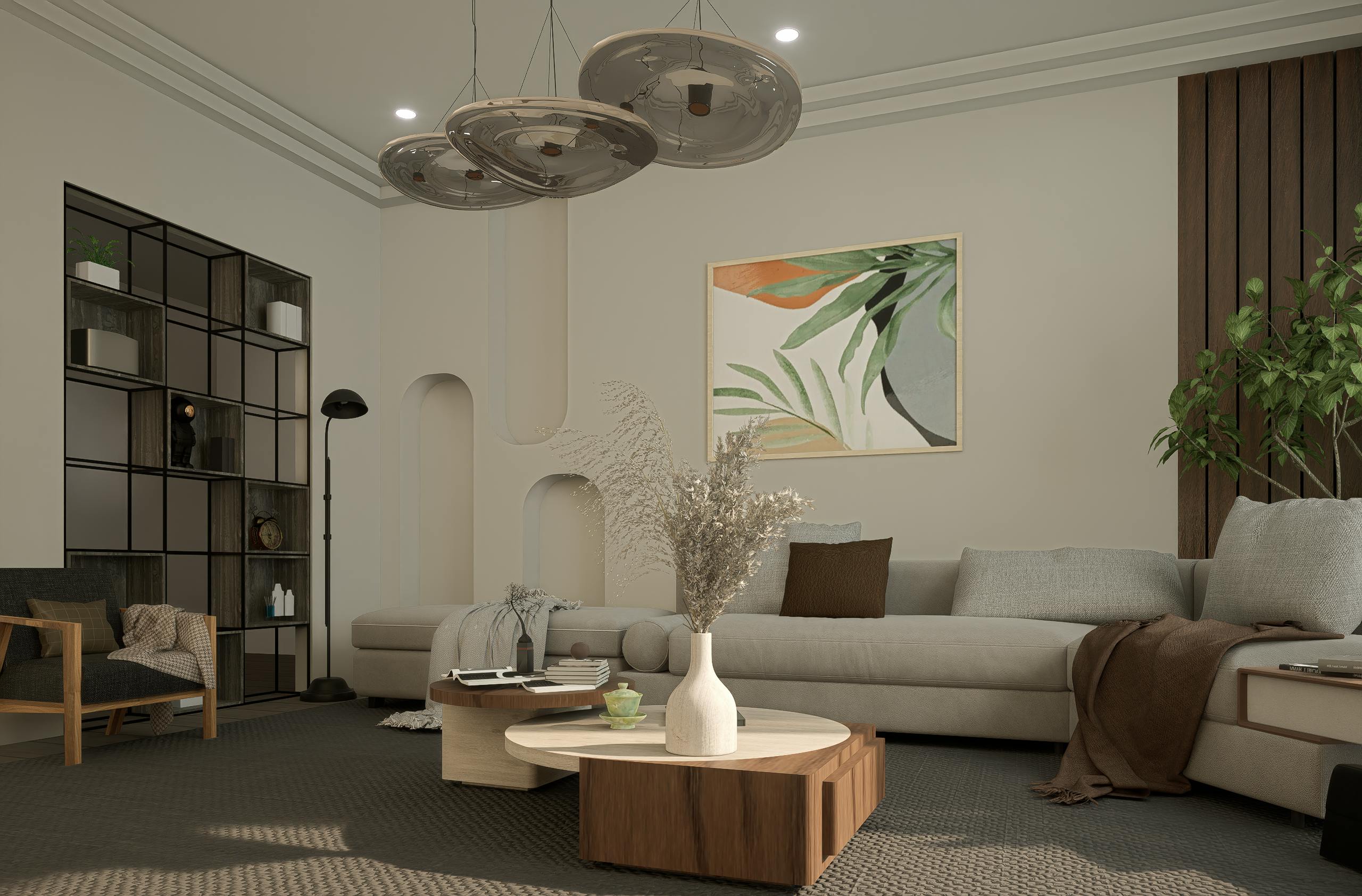
Modern classic is probably the most commercially successful interior design approach in North Texas real estate right now — and it’s been that way for a while. Walk through the most competitive listings in Rockwall, Heath, or higher-end Rowlett and you’ll see the same general language: clean lines, quality materials, architectural detail, a neutral palette with depth, and furnishings that feel intentional without being trendy. That’s modern classic, whether it’s labeled that way or not.
Understanding what actually defines this style matters for two audiences: buyers who want to evaluate whether a home’s interior is well-done or just well-staged, and sellers deciding which updates will resonate with buyers versus which ones are personal taste that the next owner will change anyway.
What Modern Classic Actually Means
The honest definition: modern classic is traditional architecture and classical proportion applied with restraint and updated materials. It’s not maximalist — there’s no gilded everything, no heavy Victorian ornament. But it’s not minimalist either — there’s warmth, texture, detail, and a sense that things were chosen thoughtfully rather than stripped away for effect.
The key tension in the style is between permanence and freshness. Classical architectural details like crown molding, coffered ceilings, wainscoting, and substantial millwork read as permanent and well-built. Contemporary updates — cleaner furniture profiles, lighter finishes, current fixture styles, integrated technology — keep the home from reading as dated or frozen in a particular decade. When those two things are in balance, the result is a home that feels both timeless and current. That’s the goal.
The Elements That Define It
Architectural Detail
This is where modern classic homes distinguish themselves most clearly from builder-grade interiors at the same price point. Crown molding, coffered or beamed ceilings, substantial baseboards, built-in cabinetry, and wainscoting add visual weight and permanence that mass-produced finishes can’t replicate. In North Texas custom and semi-custom homes — particularly in Heath and higher-end Rockwall — these details are often present and worth calling out in marketing. In tract homes, selectively adding them (a coffered ceiling in the dining room, a built-in in the study) is one of the more targeted ways to elevate a home’s perceived quality.
The Color Palette
Modern classic interiors anchor with neutrals — warm whites, soft greiges, calm taupes — and add depth through layering rather than through bold wall colors. The depth comes from materials: a velvet sofa in a deep tone, a rug with visual texture, drapes with weight, wood tones in the cabinetry or flooring. This approach photographs well, which matters enormously for MLS listings, and has broad buyer appeal because it doesn’t ask buyers to imagine how they’d live around someone else’s bold choices.
One thing worth noting for sellers: the modern classic palette has shifted over the past few years toward warmer tones. The cool gray and stark white phase has given way to warmer whites, warm wood tones (white oak in particular has been dominant), and accent tones leaning toward warm navy, sage, terracotta, and soft black rather than the cooler blues and greens of the prior decade. If your home’s interior was updated several years ago, it’s worth evaluating whether the palette still reads as current or whether it’s starting to feel like a specific moment in time.
Furniture and Fixtures
In modern classic design, furniture tends toward classical silhouettes executed in cleaner, less fussy ways. Think a well-proportioned sofa with good lines rather than a heavily tufted traditional piece. A dining table with genuine material quality — solid wood, stone, or high-quality composite — rather than something that reads as catalog-standard. Upholstered dining chairs in a texture that adds visual interest.
Lighting fixtures are one of the most important and underinvested elements in this style. A statement chandelier in the dining room, substantial pendant lighting over an island, and thoughtfully chosen sconces in the primary suite can change how an entire floor of a home reads to buyers — and they photograph beautifully. Replacing generic builder fixtures with pieces that have real visual presence is consistently one of the highest-ROI pre-list updates in this price range.
Flooring
Hardwood and hardwood-look flooring in warm tones is the standard foundation for modern classic interiors in North Texas right now. Wide-plank white oak (real or engineered) has been the dominant trend for several years and continues to perform well with buyers. Lighter, cooler gray-toned floors that were popular earlier are starting to read as dated in some markets. If you have dated flooring and are considering an update before listing, direction matters: warmer tones are the safer investment.
Stone or tile in bathrooms and kitchens, in classic formats like large-format porcelain or subway tile, complements the style without competing with it. Overly complex or heavily patterned tile tends to read as more personal and can limit buyer appeal.
The Role of Texture
Modern classic interiors avoid the flat, spare quality that pure minimalism can produce by layering textures. Linen drapes, a wool or wool-blend area rug, a wood accent wall or beam detail, a stone fireplace surround — these things add warmth and dimension that a well-chosen paint color alone can’t achieve. For sellers staging a home, texture is one of the quickest ways to make a space feel higher-end in photos without significant investment.
What This Means If You’re Selling
If your home already has the bones — good architectural detail, quality materials, reasonable floor plan — the question is whether the interior updates you make before listing will reinforce that quality or fight against it.
The most targeted investments for a home that wants to read as modern classic: updated lighting fixtures throughout, a fresh neutral paint palette (warm, not cool), addressing flooring that reads as dated, and staging that adds texture and warmth rather than filling every surface. What you’re trying to avoid is the “builder beige” reading — where everything is technically neutral but lacks depth or intention — and the “renovated in 2016” reading, where the updates were contemporary for that moment but now have a specific timestamp on them.
The goal isn’t to make your home look like a showroom. It’s to make buyers feel like the people who live there made thoughtful decisions — and that they could see themselves making the same ones.
What This Means If You’re Buying
When you’re evaluating a home that’s been marketed as “modern classic” or “updated with timeless finishes,” it’s worth distinguishing between the things that are genuinely durable and the things that are staged to look that way. Architectural detail, quality flooring, and solid fixture choices are durable. Furniture, art, and accessories are staging. A home can be beautifully staged without any of the underlying bones that make modern classic design actually work — and a home with great bones can look unremarkable if it hasn’t been presented well.
The questions worth asking: What’s the quality of the millwork? What are the floors made of? How old are the fixtures, and are they genuinely elevated or just not obviously dated? What happens to this room when the staging furniture is gone?
If you want a read on whether a specific home’s interior is worth what’s being asked, that’s exactly the kind of conversation we have with buyers regularly. Reach out to The Dunnican Team and we’ll give you an honest assessment.
Frequently Asked Questions
Is modern classic design a good choice for resale value?
Yes — it’s one of the most broadly appealing interior styles in North Texas’s move-up and luxury price ranges because it photographs well, has wide buyer appeal, and doesn’t read as trendy or personal. Homes with well-executed modern classic interiors consistently perform better in showings than homes with more polarizing or dated design choices.
What’s the difference between modern classic and traditional design?
Traditional design tends toward heavier ornamentation, richer color, and more formal symmetry. Modern classic takes the classical proportions and architectural vocabulary of traditional design and applies them with restraint — fewer decorative elements, cleaner lines, lighter palettes. The result feels more livable and current without losing the sense of quality and permanence.
What updates best move a home toward modern classic before listing?
In order of typical impact: updated lighting fixtures, fresh warm-neutral paint, flooring updates if the existing floors are dated or worn, and staging that adds texture and depth. Architectural detail additions (crown molding, a coffered ceiling in a key room, built-ins) take more time and investment but can significantly elevate how a home reads to buyers in the right price range.
Does modern classic work in smaller or more modest homes?
Yes, within the same framework. The principles scale — quality over quantity, architectural detail where it matters, neutral palette with texture and depth, lighting that has real presence. A modest home with well-chosen fixtures, good paint, and intentional staging will consistently outperform a larger home with dated or generic finishes in buyer perception.